
On September 27, 1998—celebrated globally as World Tourism Day—a vision quietly took root in the sacred land of Lumbini. That vision would become Buddha Maya Gardens, a property built not just with bricks and mortar, but with determination, foresight, and deep respect for its spiritual surroundings.
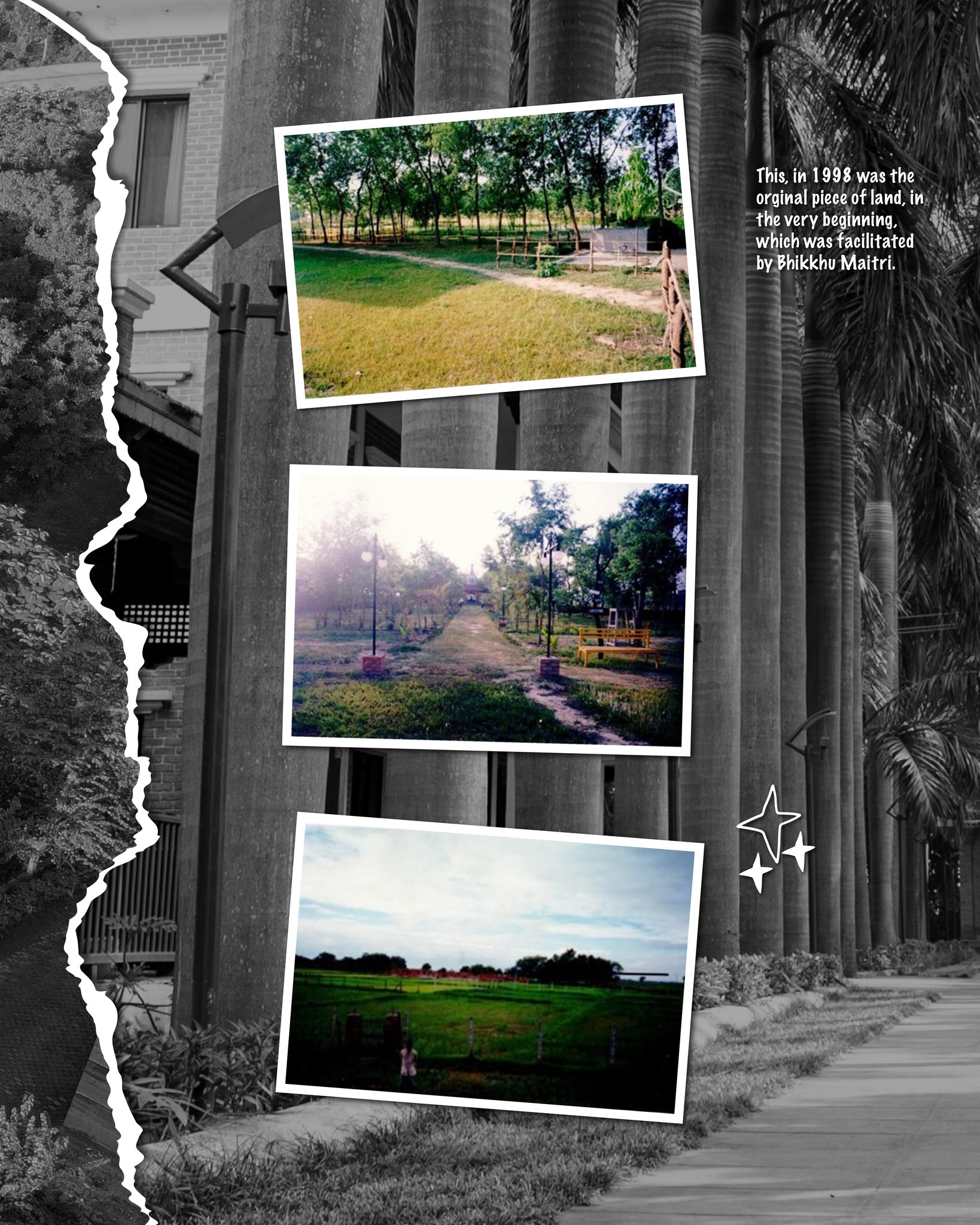
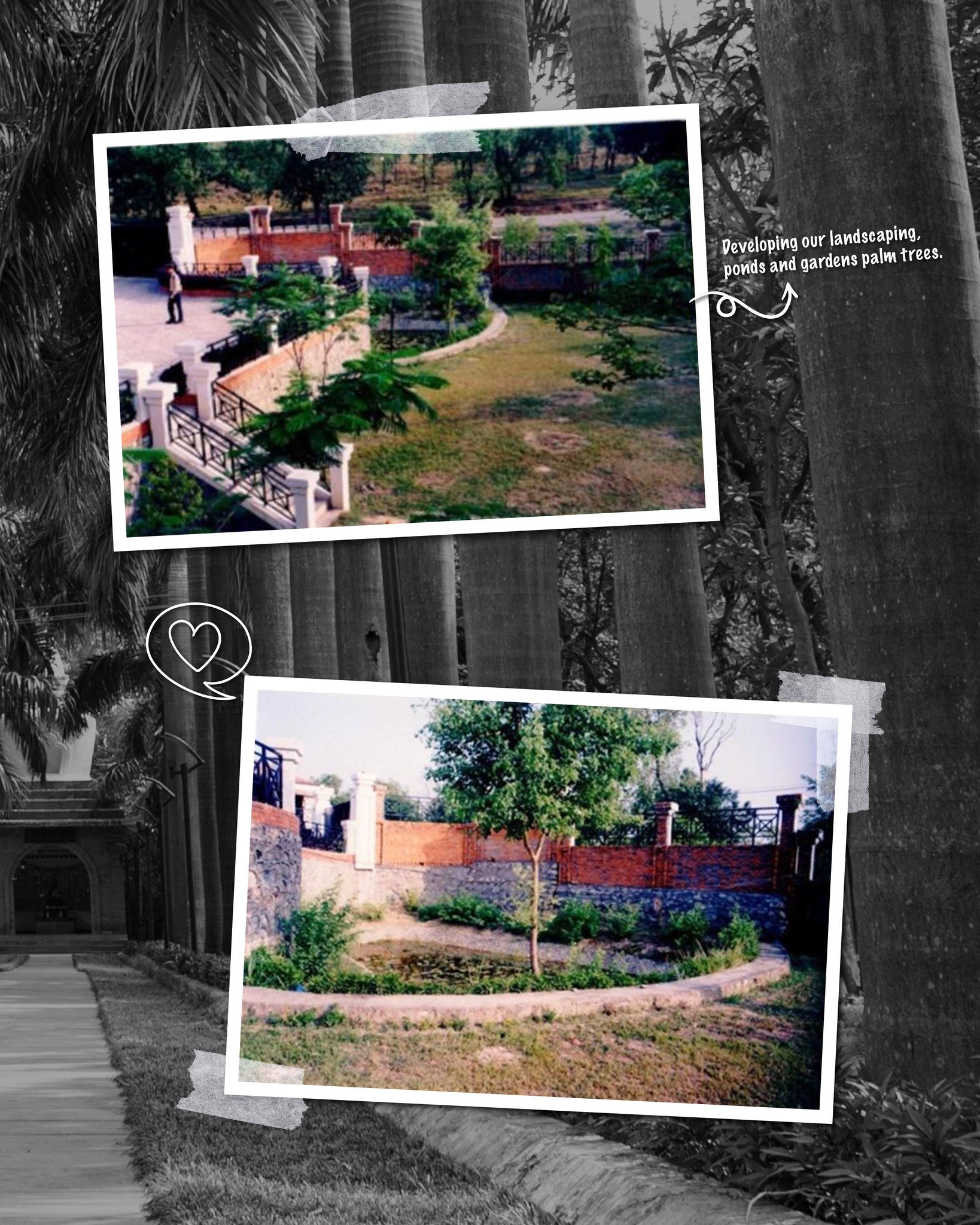
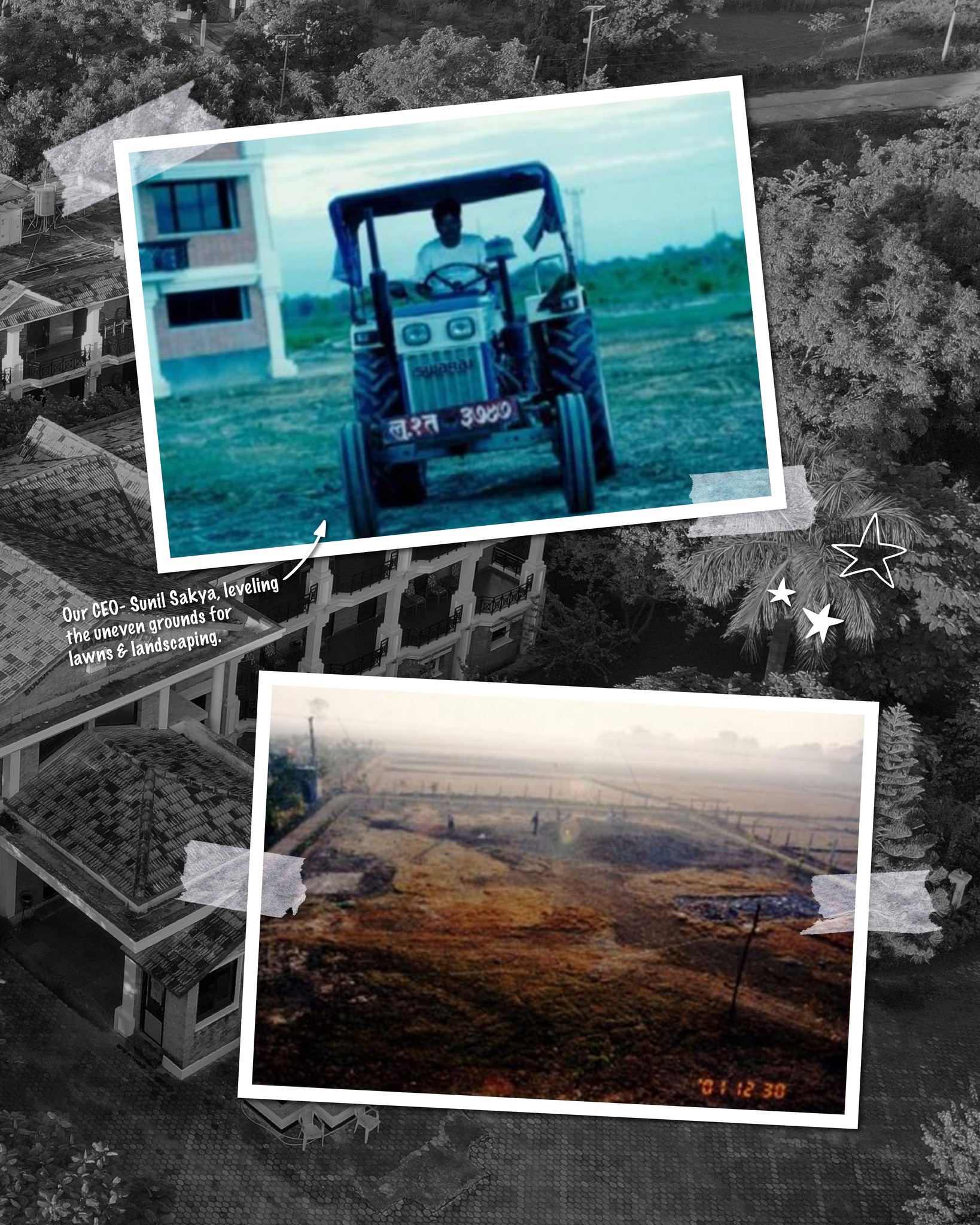
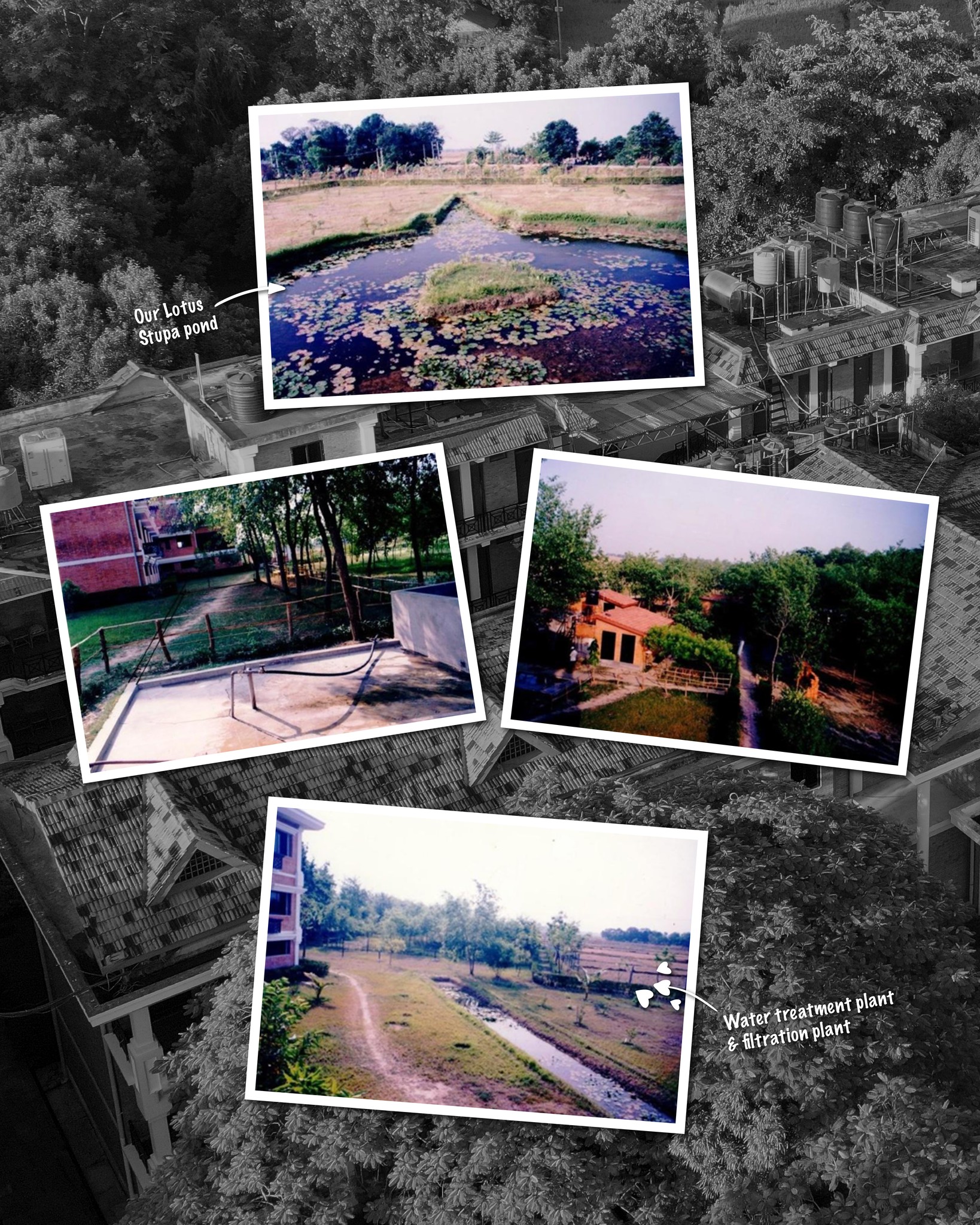
The late 1990s were a very different time for Lumbini. Infrastructure was minimal—no proper roads, unreliable electricity, and no telephone connectivity. Establishing a hotel in such conditions required not just investment, but conviction.
Starting with just 17 rooms, Buddha Maya Gardens became only the second hotel in the area, following the historic Hokke Hotel. Every detail of construction had to be managed from Kathmandu—even basic materials like nails and screws were sourced and transported with care.
The project was entrusted to CE Construction, one of the promising firms of that time. Their execution, combined with the vision of a talented architect, laid the foundation for what would become one of Lumbini’s most beloved hospitality spaces.
From the beginning, the philosophy behind Buddha Maya Gardens was clear: to create a sanctuary that harmonizes with its environment rather than dominating it.
The hotel was thoughtfully oriented toward the tranquil Maya Devi Temple gardens, placing guests just a five-minute walk from one of the most sacred pilgrimage sites in the world. This proximity allows visitors to experience Lumbini not just as tourists, but as participants in a deeper spiritual journey.
Morning walks through serene pathways, quiet moments of meditation, and the gentle rhythm of nature define the guest experience—something increasingly rare in modern travel.
Over the past 25 years, Buddha Maya Gardens has evolved steadily, expanding from its original 17 rooms to 86 well-appointed accommodations. Yet, growth has always been guided by a clear principle: expand horizontally, stay close to nature.
Much like its sister philosophy seen at Park Village Resort, the property remains nestled under a canopy of trees, where landscaped gardens, open spaces, and natural elements shape the guest experience.
Today, the hotel offers:
Buddha Maya Gardens has grown into more than just a place to stay—it has become a trusted destination for diverse travelers.
Pilgrims visiting Lumbini appreciate the peaceful environment and proximity to sacred sites. At the same time, the hotel has established itself as a reliable venue for MICE (Meetings, Incentives, Conferences, and Events), hosting workshops, retreats, and corporate gatherings.
Over the years, the hotel has welcomed a distinguished list of guests, including international ambassadors, global organizations such as UNESCO, the World Bank, and World Wide Fund for Nature. For many, it has served not just as accommodation, but as a home in Lumbini.
Behind the success of Buddha Maya Gardens is a deeply committed team. With around 55 staff members—many of whom have been with the property for over 15 years—the hotel reflects consistency, loyalty, and a genuine culture of hospitality.
This experience is particularly evident in its food and beverage offerings. A strong kitchen team ensures that both international travelers and domestic guests find comfort, quality, and authenticity in every meal.
As Buddha Maya Gardens marks its 25th anniversary, it stands as a testament to what vision, perseverance, and respect for place can achieve.
From a modest beginning in a remote, underdeveloped region to becoming one of Lumbini’s most popular hotels, the journey has been one of steady growth and meaningful impact.
More than just a hotel, Buddha Maya Gardens represents:
And as it looks toward the future, its essence remains unchanged—offering every guest not just a stay, but a sense of peace, belonging, and quiet reflection in the sacred heart of Lumbini.